Breeds of Dishley and Robert Bakewell
The Leicestershire farm where Robert Bakewell pioneered selective breeding in the eighteenth century, starting with Longhorn cattle.
Breeds of this place
Best time: May to September.
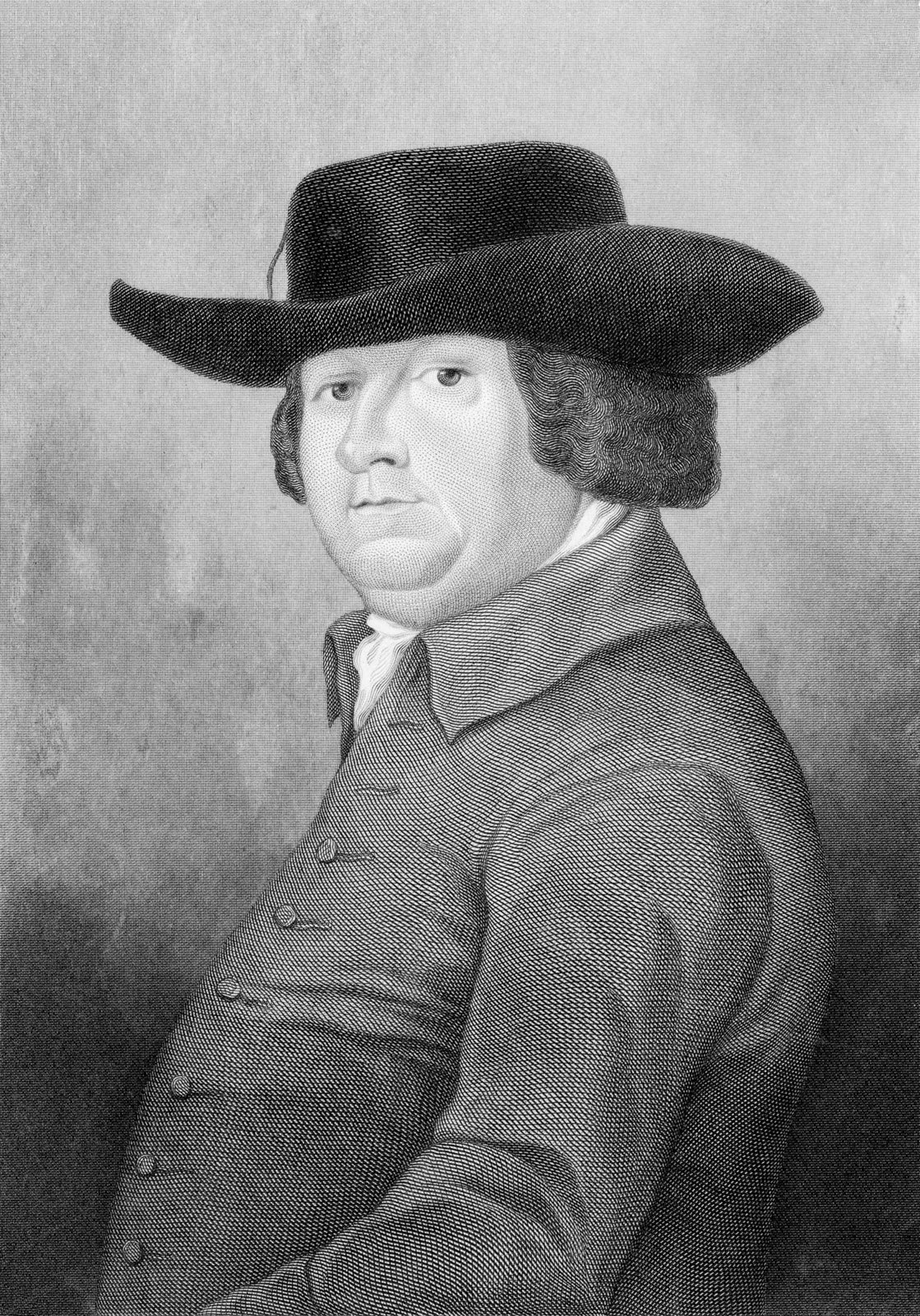
Dishley Grange, just north-west of Loughborough, was the farm of Robert Bakewell, who lived from 1725 to 1795. Bakewell set out to improve livestock by choosing the best animals and breeding them to each other, keeping careful records and hiring out his rams and bulls. His methods, applied first to Longhorn cattle and Leicester sheep, became the basis of modern livestock breeding.
The Longhorn
English Longhorns are brindle, red or grey, usually with a white line along the back, and horns that curve down and around the face. Bakewell made them heavier and quicker to fatten. For a time they were the most widespread cattle of the Midlands, before the Shorthorn overtook them. The Longhorn Cattle Society was founded in 1878, and today Longhorns are valued for beef and for conservation grazing.
Bakewell's legacy
Bakewell's ideas spread quickly. The Colling brothers in County Durham used them to shape the Shorthorn, and breeders across Britain began herd books and pedigree records. Bakewell is buried at the ruined church of Dishley, close to his old farm.
A trail idea for Dishley and Robert Bakewell
- Dishley church ruins The roofless church where Bakewell is buried.
- Dishley Grange The farm where Bakewell worked, now a private farm.
- Loughborough The market town nearby.
Written by the EveryCow desk with AI assistance. Background: "Robert Bakewell (agriculturalist)" on Wikipedia. Fair dates, markets and visiting rules change; check locally before travelling, and keep a respectful distance from working animals. If something is wrong, tell us.
Nothing matches those filters yet. Take one off, or check back: new breeds are written every day.