Curd and fermented milk
Viili
Finnish ropy soured milk with a velvet skin of mould, set at room temperature and eaten with a spoon.
Viili is a Finnish cultured milk with an unusual stretchy texture: a spoonful pulls up in long threads. It sets at room temperature, and a thin, velvety layer of a harmless white mould forms on top. Finns eat it at breakfast or as a snack, often with sugar, cinnamon or berries. Each new batch is started with a spoonful from the last.
What goes in
- Whole milk1077%, Unhomogenised gives a cream layer.
- Viili from the last batch18%, Spread inside the cup.
- Room temperature215%, About a day.
Rough parts by weight. The ring shows each input's share of the product.
Made step by step
Each drawing shows the operation for that step. Quantities and timings differ from house to house and herd to herd; this is one traditional way, in outline.
Step 1: Ferment Smear a spoonful of viili around the inside of a cup. Step 2: Milk Fill the cup with fresh milk. Step 3: Set Leave it at room temperature for about a day until set. Step 4: Serve Chill and eat with sugar, cinnamon or berries. Finished Viili, by share.
Passed from hand to hand
Viili cultures were kept going in Finnish homes for generations and given to neighbours, much as sourdough starters are. A spoonful smeared inside a cup and topped with milk is enough to begin a batch. The ropy texture comes from the bacteria, and the mould on the surface adds a faint earthy taste.
Finnish cattle
The native Finncattle, in western, eastern and northern types, were the cows of Finnish farms until the twentieth century. They are small, hardy and suited to long winters. Their numbers fell sharply as larger breeds arrived, and the three types are now conserved, with some herds giving milk for traditional dairy foods.
Where it is used
The breeds behind it
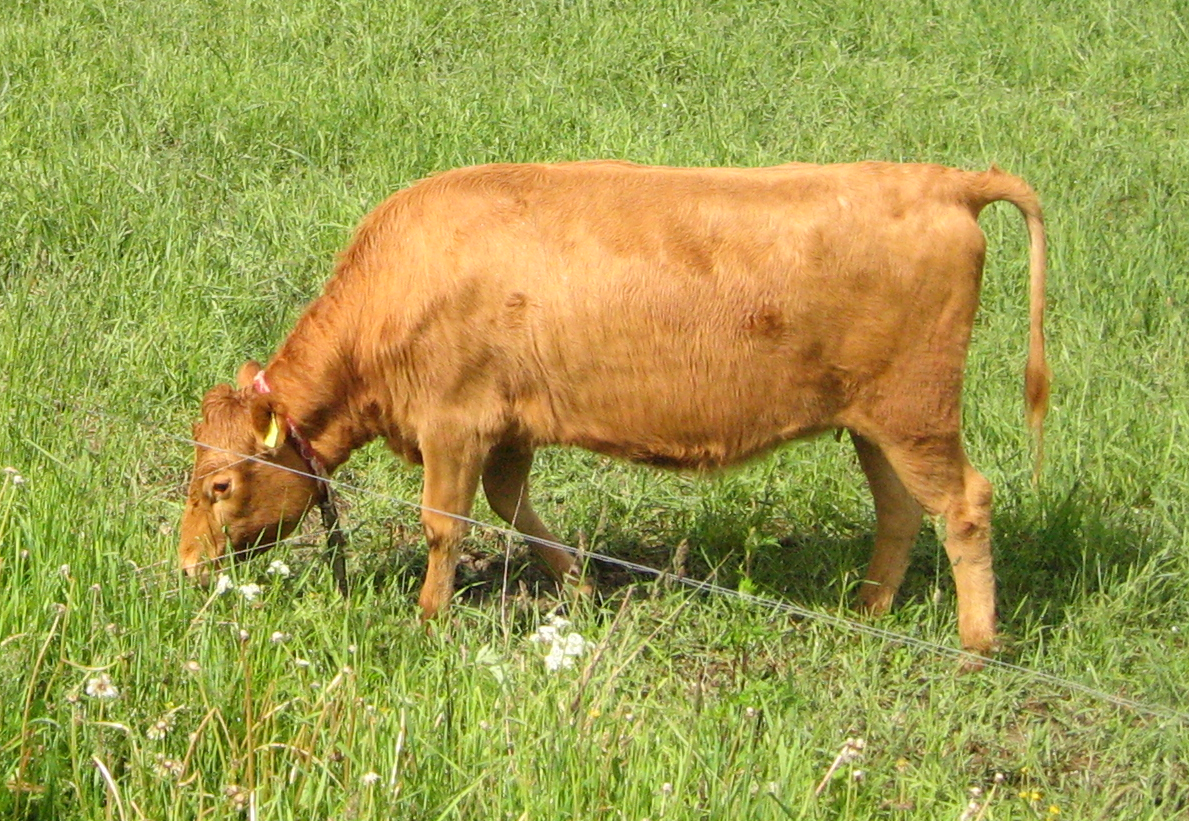
Also part of it, and being written: Finncattle (Finland's native breed, in three types.), Eastern Finncattle (Rare red-sided type of eastern Finland.), Northern Finncattle (White, polled type of Lapland.).
More on EveryCow
No breeds here yet. New pages are added every day.
Sources and further reading
Original text and drawings by the EveryCow desk, written with AI assistance and checked against the sources above. The shares are a rough, illustrative ratio, not a recipe: every family and dairy makes it differently. If we have something wrong, tell us.
Photo credits on this page
The small pictures above come from Wikimedia Commons under free licences. Some are cropped to fit.
- Western Finncattle: MPorciusCato (cropped by Pitke ), CC BY-SA 3.0, source