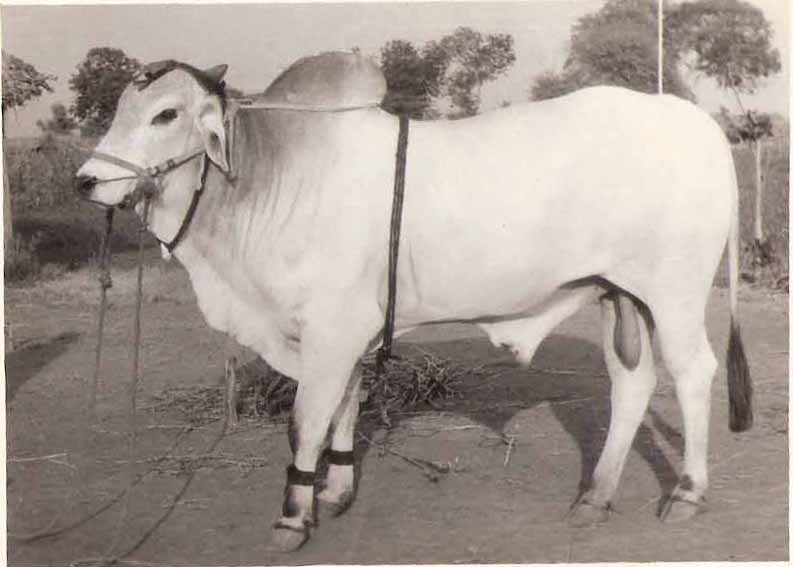
Criollo cattle
American cattle of Iberian descent, grouped into many local breeds
Criollo cattle are the cattle of the Americas whose forebears were Iberian animals carried over by the conquistadores in the 1400s and 1500s. The name covers many separate breeds and local types, from the Cuban and Puerto Rican Criollo of the Caribbean to the Texas Longhorn and Corriente of the north.
- Criollo cattle descend from Iberian stock taken to the Americas by the conquistadores
- The name is spelt Criollo, Crioulo or Créole depending on the country
- Members range from the Cuban Criollo to the Texas Longhorn and the Raramuri Criollo
- Breeds are listed in the Caribbean, South America, Central America and North America
What do Criollo cattle cattle look like?
Criollo is a collective label rather than one breed. It covers the cattle of the Americas that trace their ancestry to animals taken over from the Iberian peninsula by the conquistadores in the 1400s and 1500s. Under that label sit separate breeds and local types in the Caribbean, South America, Central America and North America. Their names usually come from a place or a community: Cuban Criollo, Criollo de Chiapas, Criollo Poblano, Raramuri Criollo, Pantaneiro. What holds the group together is that shared ancestry. The word itself has three spellings, Criollo, Crioulo and Créole.
Where does the Criollo cattle come from?
The story of these cattle starts on the Iberian peninsula, where the founders of the American herds were raised before being shipped west. The conquistadores landed them in the Americas in the 1400s and 1500s. From those arrivals the animals spread out and multiplied, and in time nearly every district came to have its own named cattle: Cuban and Puerto Rican Criollo in the Caribbean; Argentine, Bolivian, Colombian, Ecuadorian, Uruguayan and Venezuelan Criollo in South America; Brazilian crioulo types; Barroso and Criollo de Chiapas in Central America; and the Corriente, Florida Cracker, Pineywoods, Raramuri Criollo and Texas Longhorn to the north.
Criollo cattle, drawn
From the Criollo cattle
Questions people ask about Criollo cattle
Where do Criollo cattle come from?
They come from the Americas. Their ancestors were Iberian cattle brought over by the conquistadores in the 1400s and 1500s, and the herds that grew from those animals were later named breed by breed in the places where they settled.
What are Criollo cattle kept for?
The name covers a group rather than one breed, so there is no single answer. One member is called the Tropical Dairy Criollo, or Criollo Lechero Tropical, which names it as a milk type, while other members carry names taken from their own districts and communities.
Is Criollo one breed?
No. It is a broad name for the cattle of the Americas that descend from Iberian stock. Under it sit many separate breeds, among them the Cuban Criollo, the Romosinuano, the Pantaneiro, the Florida Cracker, the Corriente, the Texas Longhorn and the Raramuri Criollo.
How is the name spelt?
Criollo is the spelling used across most of the Americas. Crioulo goes with the Brazilian names, and Créole or Creole appears in the Caribbean, as in Creole Guadeloupe and Créole Martinique. All three forms describe the same body of cattle.
Where are Criollo cattle found today?
Named breeds are recorded in the Caribbean islands, in Bolivia, Brazil, Colombia, Ecuador, Uruguay and Venezuela, in Central America where the Barroso and Criollo de Chiapas are listed, and in North America, where the Corriente, Pineywoods and Texas Longhorn belong to the group.
Good reading and sources
The facts on this page come from the Wikipedia article "Criollo cattle", written by its contributors and used under the CC BY-SA 4.0 licence, and from its Wikidata record (CC0). EveryCow rewrote the text in its own words, with AI assistance, and compares every page with the article to make sure no passage is copied. It may be reused under the same CC BY-SA 4.0 licence with a link back.
It may contain mistakes. Sizes, colours and customs differ from one herd, valley or breeder to the next. Folk beliefs are described as tradition, never as advice. If something is wrong, tell us. Last refreshed 2026-10-16.