
Northern Finncattle
A polled white landrace from Finland, kept for both milk and beef
A dual-purpose landrace from Finland, usually white with pigment on the ears and muzzle and naturally hornless. Cows give about 4,000 kg of milk per lactation, and grants and conservation herds keep the rare line alive.
- Naturally polled: Northern Finncattle are born without horns
- Usually white in coat, with pigment on the ears and muzzle
- A cow gives about 4,000 kg of milk in a lactation
- Shares ancestry with the Icelandic, Swedish Mountain and Western Fjord breeds
- Conservation herds are kept at the prison farms of Pelso and Sukeva
What do Northern Finncattle cattle look like?
Northern Finncattle is a landrace, a local breed shaped on the farms of its own region rather than fixed by an outside stud book. It is a dual-purpose animal, reared for both milk and beef. The coat is usually white, with pigment on the ears and muzzle, so those features stand out dark against the pale hide. The cattle are naturally polled, which means they are born without horns. Cows give about 4,000 kg of milk in a lactation, the span between one calving and the next.
Where does the Northern Finncattle come from?
Northern Finncattle come from Finland and are counted among the Finncattle, the native landraces of that country. As a landrace it took shape locally, rather than through deliberate crossing of separate breeds. Its family tree reaches far: genetic studies tie it by shared descent to Icelandic cattle, the Swedish Mountain breed and the Western Fjord, pointing to roots held in common across the Nordic world. One quality these related breeds share is a milk protein that suits manufacturing.
What the Northern Finncattle is known for
Two things mark the Northern out. First, it is naturally polled: calves are born without horns, so no disbudding, the removal of horn buds, is ever needed. Second, its milk protein is of a kind that suits manufacturing, a quality shared with its Nordic relatives, the Icelandic, Swedish Mountain and Western Fjord breeds. The breed is also scarce, and in the Nordic countries it counts among the rare breeds whose survival is actively organised.
Northern Finncattle, drawn
What the Northern Finncattle is kept for
Northern Finncattle are kept for two products, in the usual pattern of a dual-purpose farm breed: milk and beef. A cow yields about 4,000 kg of milk in a lactation, the milking stretch that runs from one calving to the next. The milk's protein is of a quality that suits manufacturing, so it lends itself to processing as well as to the table. Beef is the other output, taken from the same animals that do the milking. With the breed rare and many herds held for conservation, both products come from comparatively few animals.
At a glance: where it belongs
Land and climate
Numbers, conservation and the herd book
The Northern is a rare breed, and keeping it going takes deliberate work. Conservation herds are held at the prison farms of Pelso and Sukeva. Private farms that keep Finncattle can draw on conservation grants to help cover the cost. Oversight is wider still: the Nordic Gene Bank for Farm Animals, founded in 1984 and often shortened to NGH, co-ordinates work to save the rare breeds of the Nordic countries, Finncattle among them.
From the Northern Finncattle
Questions people ask about Northern Finncattle
Where does the Northern Finncattle come from?
It comes from Finland, where it is counted among the Finncattle, the country's native landraces. Genetic studies tie it by shared descent to other Nordic breeds, including the Icelandic, Swedish Mountain and Western Fjord.
What is the breed kept for?
It is a dual-purpose breed, kept for both milk and beef. A cow produces about 4,000 kg of milk in a lactation, and the milk's protein quality suits manufacturing.
Do these cattle have horns?
No. The cattle are naturally polled, meaning they grow no horns at all. In coat they are usually white, with pigment on the ears and muzzle.
How rare is the breed, and how is it protected?
It ranks among the Nordic rare breeds. Conservation herds are kept at the prison farms of Pelso and Sukeva, private farms can receive conservation grants, and the Nordic Gene Bank for Farm Animals, founded in 1984, co-ordinates the wider work.
Which breeds are related to it?
The Icelandic, Swedish Mountain and Western Fjord breeds share common ancestry with the Northern. All of these produce milk protein of a quality well suited to manufacturing.
Good reading and sources
The facts on this page come from the Wikipedia article "Northern Finncattle", written by its contributors and used under the CC BY-SA 4.0 licence, and from its Wikidata record (CC0). EveryCow rewrote the text in its own words, with AI assistance, and compares every page with the article to make sure no passage is copied. It may be reused under the same CC BY-SA 4.0 licence with a link back.
It may contain mistakes. Sizes, colours and customs differ from one herd, valley or breeder to the next. Folk beliefs are described as tradition, never as advice. If something is wrong, tell us. Last refreshed 2026-10-16.
More from Finland
All the breeds of Finland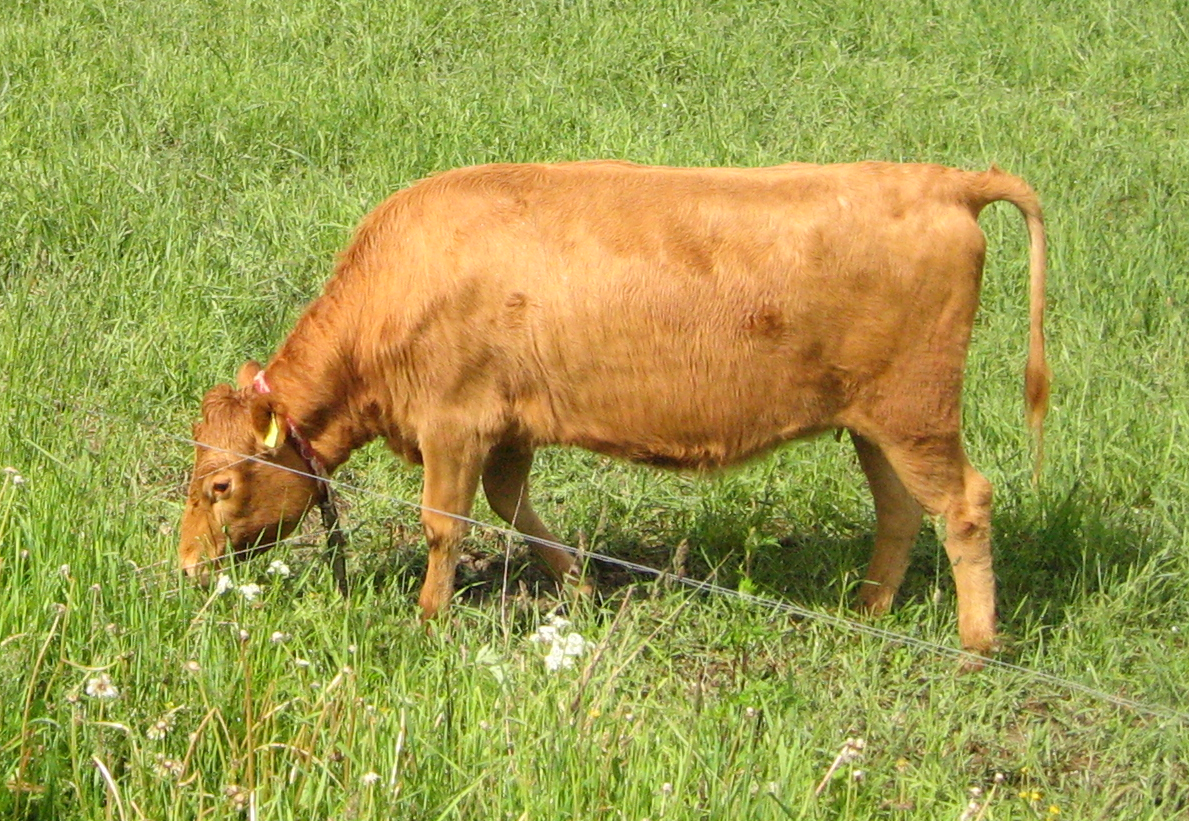 🇫🇮 FinlandWestern Finncattle
A red, hornless dual-purpose breed from western Finland, kept for milk and beefTaurine · Dairy · Polled
🇫🇮 FinlandWestern Finncattle
A red, hornless dual-purpose breed from western Finland, kept for milk and beefTaurine · Dairy · Polled
 🇫🇮 FinlandEastern Finncattleitäsuomenkarja
A dual-purpose Finncattle landrace from eastern Finland, also called kyyttöTaurine · Dairy
🇫🇮 FinlandEastern Finncattleitäsuomenkarja
A dual-purpose Finncattle landrace from eastern Finland, also called kyyttöTaurine · Dairy
 🇫🇮 FinlandFinnish AyrshireSuomen Ayrshire
Finland's most numerous dairy breed, red and white, from Scottish Ayrshire stockTaurine · Dairy · Rich milk
🇫🇮 FinlandFinnish AyrshireSuomen Ayrshire
Finland's most numerous dairy breed, red and white, from Scottish Ayrshire stockTaurine · Dairy · Rich milk
 🇫🇮 FinlandFinncattle
Small, hornless Finnish dairy cattle in three types: red, white and red-and-whiteTaurine · Dairy · Polled
🇫🇮 FinlandFinncattle
Small, hornless Finnish dairy cattle in three types: red, white and red-and-whiteTaurine · Dairy · Polled
Its cousins elsewhere
All dual-purpose breeds 🇮🇳 India and 3 moreNelore
A large humped beef breed from India, now dominant in Brazil and known for heat tolerance and parasite resistance.Zebu · Beef · Heat-tolerant
🇮🇳 India and 3 moreNelore
A large humped beef breed from India, now dominant in Brazil and known for heat tolerance and parasite resistance.Zebu · Beef · Heat-tolerant
 🇯🇵 JapanJapanese Polled無角和種
A small black Japanese beef breed, hornless in both sexesTaurine · Beef · Polled
🇯🇵 JapanJapanese Polled無角和種
A small black Japanese beef breed, hornless in both sexesTaurine · Beef · Polled
 🇺🇸 United States and 5 moreSenepol
A polled red beef breed from St Croix, built for heat and insectsTaurine · Beef · Heat-tolerant
🇺🇸 United States and 5 moreSenepol
A polled red beef breed from St Croix, built for heat and insectsTaurine · Beef · Heat-tolerant
 🇺🇸 United States and 5 moreBrangus
A black polled beef breed from the United States, combining Angus meat quality with Brahman heat tolerance.Composite · Beef · Heat-tolerant
🇺🇸 United States and 5 moreBrangus
A black polled beef breed from the United States, combining Angus meat quality with Brahman heat tolerance.Composite · Beef · Heat-tolerant