🇫🇮 The cattle breeds of Finland
5 breeds from Finland, best known first, across 3 towns, fairs and pastures.
Finnish cattle belong to the small mixed farm: families kept a few cows for milk and meat in a land where crops often failed and fishing filled the gaps. Dairy shapes the national table, from soured piimä and set viili to butter on rye bread. Beef ranks second among the meats Finns eat, behind pork.
- Beef is Finland's second most eaten meat: 18.6 kg per person in 2005.
- Sour milk, piimä, is a common drink at Finnish meals, even for adults.
- EU entry in 1995 cut Finnish milk and meat prices by up to half.
- Daily meat only became normal in Finland in the early 1900s.
- Farm families of old kept just a few animals for milk and meat.
Cattle in Finland
Cattle keeping in Finland grew from small mixed farms rather than big herds. Families raised a few animals chiefly for milk, and meat from them was a supplement in a land where crops often failed and fishing or hunting filled the gap. The cold set the pattern: for nine months or more each year little fresh food was to be had, so milk was fermented to keep it, and soured dairy became a daily staple alongside rye bread and stored turnips or, later, potatoes. Beef now sits second only to pork on the Finnish plate. At the table Finland sits close to Sweden, sharing dishes and a taste for rye, though Finns like their food less sweet; German and Russian cooking have left marks too.
Milk, butter and beef
Milk stands at the centre. Finns drink it with meals, and piimä, a soured fermented milk, is popular at the table even among adults. Viili, a mild, yoghurt-like set milk, sits in the same family and takes bilberries on top. Butter goes on bread, and milk enriches porridges from everyday oats to the rice pudding of Christmas, as well as flatbreads such as the milk flatbread of Savonia. Beef is the second most eaten meat, about 18.6 kg a head in 2005, behind pork. Around a third of all meat is eaten as makkara, sausage, usually pork though other meats often go in too.
Today
Beef eating is modest by European standards but steady: about 18.6 kg per person in 2005, well behind pork. Joining the European Union in 1995 removed trade barriers and pulled the price of milk and meat down sharply, in some cases by half, yet food in Finland still costs more than in much of Europe. The change is recent: meat became a daily food only in the early twentieth century, after hungry years in the nineteenth.
The facts in this overview come from the Wikipedia article "Finnish cuisine", written by its contributors and used under the CC BY-SA 4.0 licence. EveryCow rewrote the text in its own words, with AI assistance, and compares every page with the article to make sure no passage is copied. It may be reused under the same CC BY-SA 4.0 licence with a link back.
Cattle towns and fairs of Finland
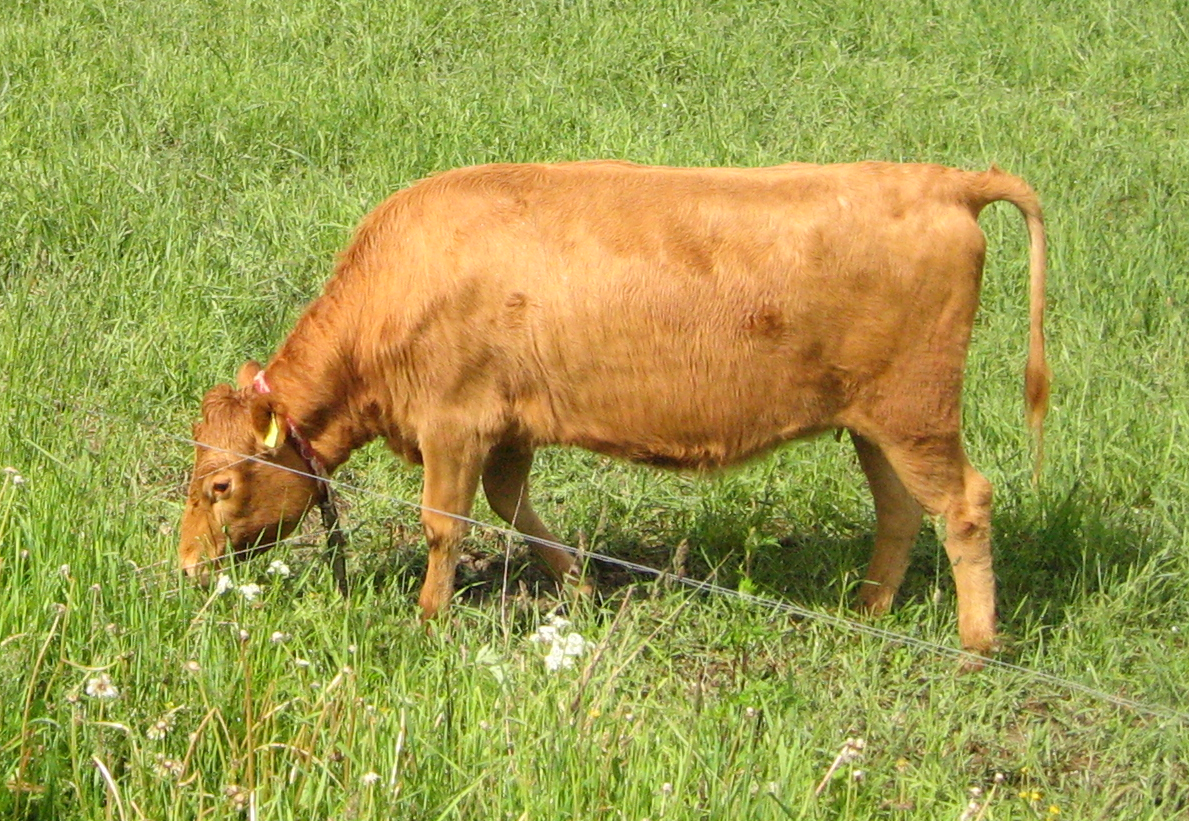 🇫🇮 FinlandWestern Finncattle
A red, hornless dual-purpose breed from western Finland, kept for milk and beefTaurine · Dairy · Polled
🇫🇮 FinlandWestern Finncattle
A red, hornless dual-purpose breed from western Finland, kept for milk and beefTaurine · Dairy · Polled
 🇫🇮 FinlandEastern Finncattleitäsuomenkarja
A dual-purpose Finncattle landrace from eastern Finland, also called kyyttöTaurine · Dairy
🇫🇮 FinlandEastern Finncattleitäsuomenkarja
A dual-purpose Finncattle landrace from eastern Finland, also called kyyttöTaurine · Dairy
 🇫🇮 FinlandFinnish AyrshireSuomen Ayrshire
Finland's most numerous dairy breed, red and white, from Scottish Ayrshire stockTaurine · Dairy · Rich milk
🇫🇮 FinlandFinnish AyrshireSuomen Ayrshire
Finland's most numerous dairy breed, red and white, from Scottish Ayrshire stockTaurine · Dairy · Rich milk
 🇫🇮 FinlandFinncattle
Small, hornless Finnish dairy cattle in three types: red, white and red-and-whiteTaurine · Dairy · Polled
🇫🇮 FinlandFinncattle
Small, hornless Finnish dairy cattle in three types: red, white and red-and-whiteTaurine · Dairy · Polled
Photo credits on this page
The small pictures above come from Wikimedia Commons under free licences. Some are cropped to fit.
- Eastern Finncattle: Sini Merikallio, CC BY-SA 2.0, source
- Finnish Ayrshire: Ximonic , Simo Räsänen, GFDL, source
- Finncattle: Eero Järnefelt, Public domain, source
- Western Finncattle: MPorciusCato (cropped by Pitke ), CC BY-SA 3.0, source
The weekly digest
Every Monday: seven cattle breeds you may not know, the cattle days of the week ahead, and one product explained step by step.